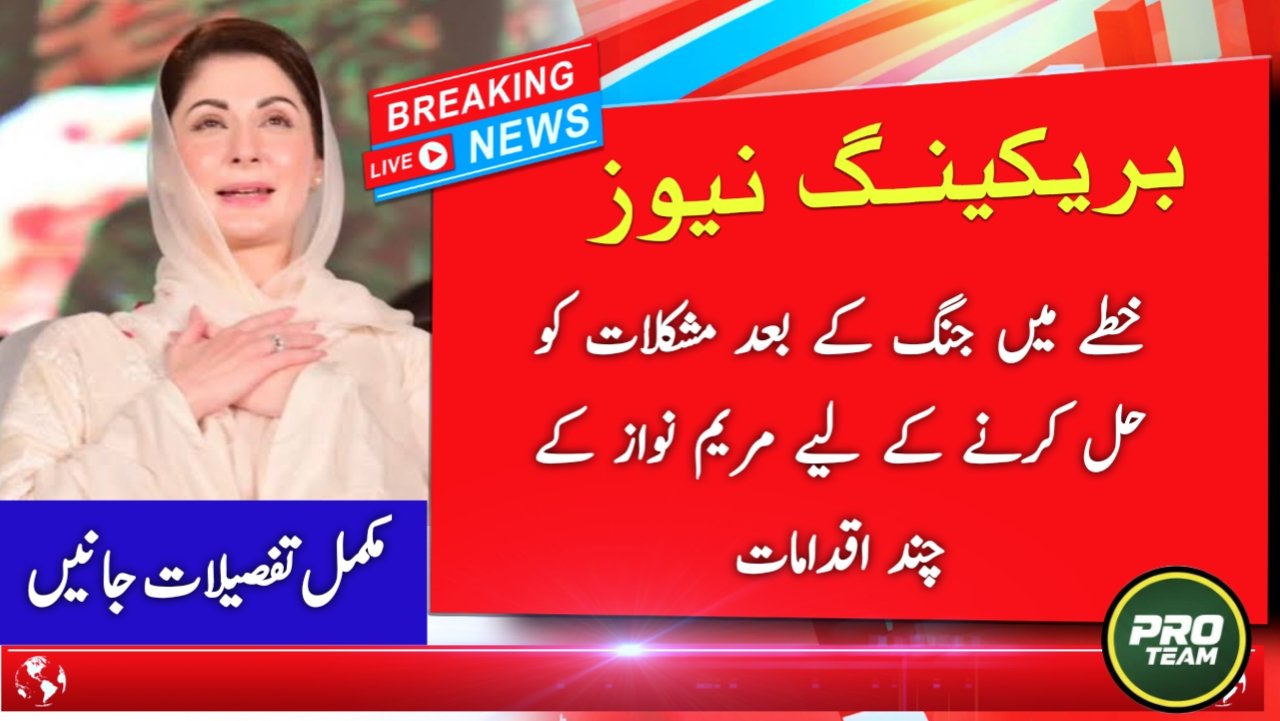
The ongoing conflict between Iran and Israel has created serious concerns around the world, especially about oil and fuel supplies. As tensions in the Middle East increased, international oil prices also went up. This situation has affected many countries that depend on imported oil, including Pakistan.
To deal with this challenge, the Punjab government, led by Chief Minister Maryam Nawaz Sharif, introduced several fuel-saving and austerity measures. These steps are designed to reduce unnecessary fuel usage, manage government resources carefully, and make sure essential sectors like agriculture continue to receive fuel.
The government also started monitoring fuel supply more strictly to prevent shortages and stop illegal hoarding. These actions are meant to protect the public and keep the fuel market stable during the crisis.
| Measure | Description |
|---|---|
| Fuel suspension for ministers | Official petrol supply for provincial ministers temporarily stopped |
| 50% fuel allowance cut | Government vehicles receive half the usual fuel quota |
| Limited protocol vehicles | Extra vehicles in official convoys banned |
| Work-from-home policy | Government offices allow remote work to reduce travel |
| Market monitoring | Authorities track fuel supply and distribution |
| Anti-hoarding action | Crackdown against petrol hoarders and illegal storage |
| Price control enforcement | Petrol pumps must follow official fuel prices |
| Agricultural support | Diesel supply ensured for farmers and agriculture |

Punjab Government Fuel Conservation Measures
The Punjab government introduced several fuel conservation measures to reduce fuel consumption across departments. These steps were announced as part of an emergency response to rising global oil prices.
Key measures include:
- A 50 percent reduction in petrol and diesel allowances for government vehicles.
- Suspension of official fuel supply for provincial ministers.
- Restriction on unnecessary official travel to save fuel.
- Encouragement for departments to use fuel responsibly.
These actions aim to decrease overall fuel demand in the province while ensuring that essential government work continues without major disruption.

Work From Home Policy to Reduce Fuel Usage
One of the most practical steps taken by the Punjab government is introducing work-from-home arrangements for government employees.
Under this policy:
- Only essential staff members are required to attend offices.
- Other employees are allowed to work remotely.
- This reduces daily commuting and traffic congestion.
- It also helps lower fuel consumption across the province.
By reducing travel requirements, the government hopes to conserve fuel while maintaining administrative operations.
For official government updates, people can visit:
https://punjab.gov.pk

Restrictions on Government Protocol Vehicles
Another important decision is the restriction on protocol vehicles used by ministers and senior officials.
Previously, officials often traveled with large convoys. However, under the new rules:
- Extra vehicles in official convoys are banned.
- Only one security vehicle is allowed with officials.
- Government departments must reduce unnecessary vehicle usage.
- Officials are encouraged to adopt simple and efficient travel practices.
This step not only saves fuel but also promotes a culture of responsibility and simplicity within the government.
Strict Monitoring of Fuel Supply in Punjab
To avoid shortages and panic buying, the Punjab government has increased monitoring of fuel supply across the province.
Authorities have been instructed to:
- Track petrol and diesel stocks regularly.
- Monitor fuel transportation and distribution.
- Ensure petrol pumps maintain proper fuel supply.
- Prevent sudden shortages in cities and rural areas.
This monitoring system helps the government quickly respond if supply problems appear in any district.
Crackdown on Petrol Hoarding and Overpricing
Fuel hoarding and illegal price increases can create serious problems during a crisis. To stop such practices, the government ordered strict action against violators.
Actions taken include:
- Petrol pumps storing fuel illegally can be sealed.
- Authorities may cancel licenses of violating fuel stations.
- Officials will conduct regular inspections of petrol pumps.
- Strict penalties will be applied to profiteers charging higher prices.
These measures are meant to protect consumers and ensure fair fuel distribution across Punjab.
Ensuring Diesel Supply for Agriculture
While saving fuel is important, the government also recognizes the importance of agriculture in Punjab’s economy.
For this reason, special attention has been given to farmers. The government plans to:
- Ensure uninterrupted diesel supply for agricultural machinery.
- Support farmers during planting and harvesting seasons.
- Prevent shortages in rural areas where farming depends on fuel.
- Maintain stable food production in the province.
By protecting the agriculture sector, the government aims to secure food supply and support rural livelihoods.
Conclusion
The Punjab government has taken several strong steps to manage the fuel crisis caused by rising global oil prices during the Iran–Israel conflict. These measures include reducing fuel allowances, limiting official vehicles, introducing work-from-home policies, monitoring fuel supply, and cracking down on hoarding.
At the same time, the government has ensured that important sectors like agriculture continue to receive fuel. Through these actions, Punjab aims to control fuel usage, protect the public from shortages, and maintain stability during the global energy crisis.
Frequently Asked Questions (FAQs)
1. Why did the Punjab government introduce fuel-saving measures?
The government introduced these measures because rising global oil prices during the Iran–Israel conflict created concerns about fuel supply and economic pressure.
2. What is the 50% fuel allowance reduction?
It means that government vehicles now receive only half of their previous petrol or diesel allocation to reduce overall fuel consumption.
3. Are government offices completely closed?
No. Only essential staff attend offices, while other employees work from home to reduce commuting and fuel usage.
4. How is the government stopping petrol hoarding?
Authorities are inspecting petrol pumps, sealing stations involved in illegal storage, and taking legal action against those who charge higher prices.
Latest Updates
 Check Your Application Status Punjab Rozgar Scheme 2026
 BISP 8171 Payment Update 2026 – Women to Receive Rs. 13,500 Today
 Punjab Nigehban Ramzan Package 2026 – How to Check Eligibility and Status
 BISP 8171 Check Online CNIC 2026 – Check Rs 13,500 Payment Status
 Ehsaas 8171 Check Online CNIC 2026 – Check BISP Payment and Eligibility
 Essential Documents Required for CM Punjab Rehmat Card 2026 – Complete Application Guide